PRESS RELEASE: Texas Jail Project’s advocacy leads to unprecedented $1.5 million settlement in federal lawsuit against Smith County for overdetention of 102 Texans
February 19, 2026
Texas Jail Project’s advocacy leads to unprecedented $1.5 million settlement in federal lawsuit against Smith County for overdetention of 102 Texans On February 5, news broke about an unprecedented $1.5…

Texas Jail Project’s advocacy leads to unprecedented $1.5 million settlement in federal lawsuit against Smith County for overdetention of 102 Texans
On February 5, news broke about an unprecedented $1.5 million settlement in a federal lawsuit against Smith County for the over detention of 102 Texans in their county jail. What the story missed is how this settlement came to be.
In January 2022, Dalila Reynoso, the lead mental health advocate for Texas Jail Project (TJP), received a phone call from 24 yr old LaDarion Hughes, a client who had been held in the Smith County Jail since July 3rd, 2019. Mr. Hughes claimed he had already served his sentence, but the jail was refusing to release him, and nobody would listen or believe him, including his court appointed attorney.
“I first connected with LaDarion in December 2020 when he was waiting on the forensic waitlist to go to the state hospital for competency restoration and then again after he returned a few months later,” Ms. Reynoso says.
“Mr. Hughes was indigent and his family had no means to support him. During the rest of Mr. Hughes’ incarceration I communicated with him on a regular basis to provide emotional and material support. Our organization, TJP deposited funds to his commissary so he could afford essentials while incarcerated. Most importantly, we were the only ones who were listening with radical empathy and truly heard him.”
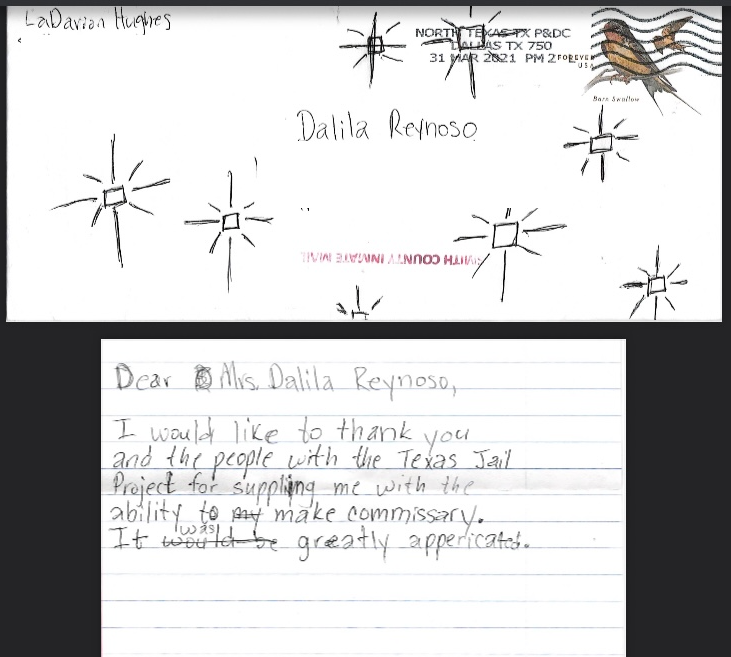
Image 1: Letter from LaDarion Hughes to Dalila Reynosa, March 31 2021
LaDarion Hughes was found incompetent to stand trial in September of 2020 and was placed on the forensic wait list – a growing backlog of defendants found incompetent to stand trial who are waiting in county jails for transfer to a state hospital for ‘competency restoration services’.
When Mr. Hughes came back to Smith County Jail from the state behavioral hospital and was deemed competent to stand trial, he decided to accept a plea deal on December 16, 2021 for two years. By this time, he had 911 days of jail credit, which means he had spent nearly two and half years in custody.
Jail staff insisted that LaDarion had to be transferred to the prison system [Texas Department of Criminal Justice] before being released. But in reality, there is no such requirement in the law. People can be released from the county jail if they have served their time.
Ms.Reynoso immediately took action, reaching out to the county’s state representative to advocate on behalf of Mr. Hughes’ immediate release. LaDarion Hughes was released from custody the same day she made the phone call.
“I waited for LaDarion outside the Smith County Jail. He was so grateful for his freedom. He kept saying how no one else would listen to him or believe him. I drove him to his grandmother’s who was overjoyed to have her grandson back home,” said Ms. Reynoso.
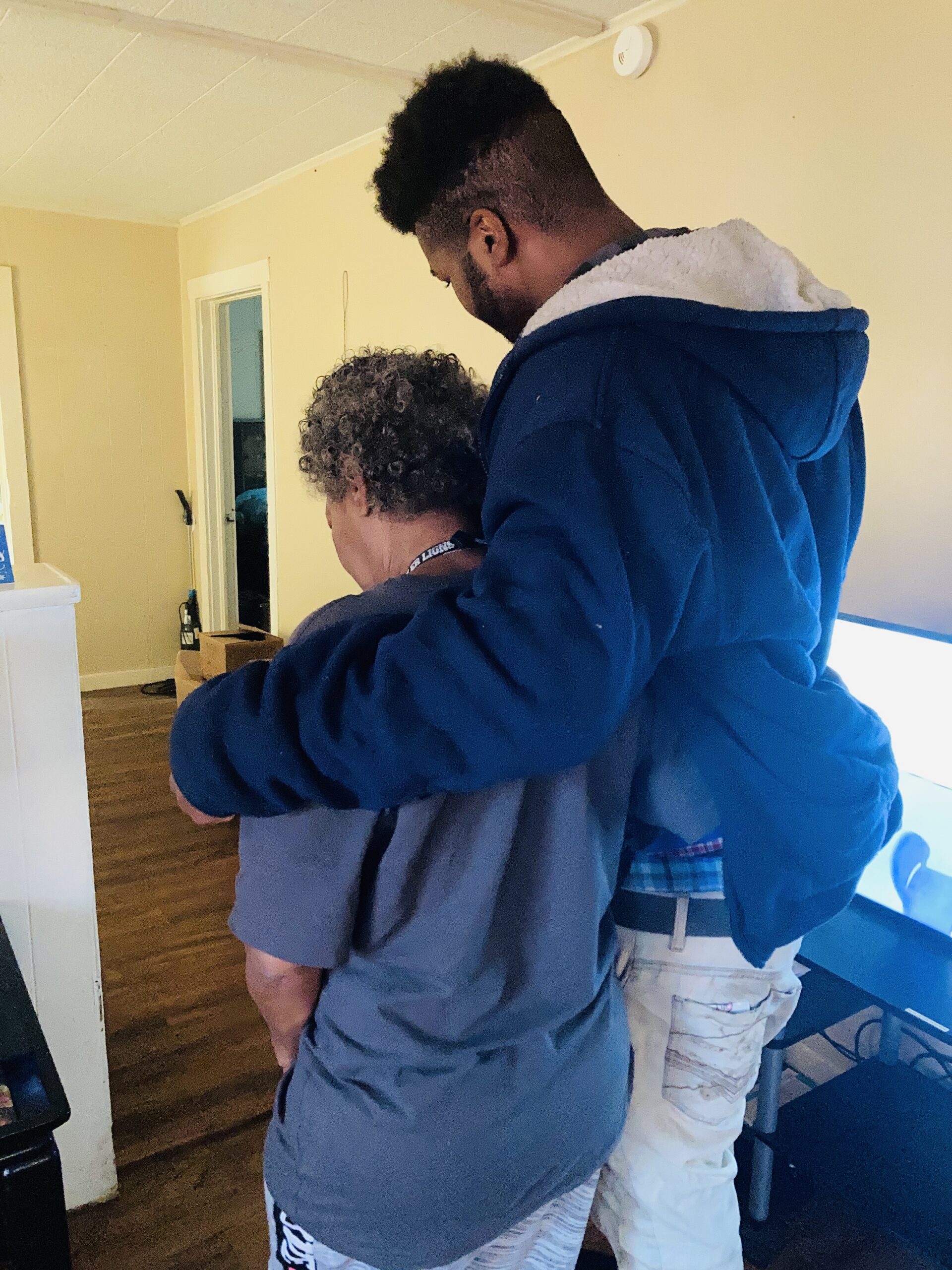
Image 2: LaDarion Hughes and his grandmother on the day of his release, January 12, 2022.
Unfortunately, TJP quickly learned that LaDarion Hughes’ case was not unique.
Open records requests filed over the next several months with the help of civil rights attorneys revealed that 102 people had been held in Smith County jail for days, weeks and months past their sentences, several on multiple occasions. At least three of them, including Mr. Hughes – who became one of the lead plaintiffs in the subsequent lawsuit filed against Smith County – were part of the forensic waitlist prior to taking a plea deal.
“We’re glad that people are receiving compensation for being illegally overdetained,” says Dalila Reynoso, “but you cannot put a price tag on the time that was stolen from them and their families. No amount of money can compensate for the loss of freedom and the emotional trauma they suffered.”
“Like most county jails in Texas, Smith County jail struggles with overcrowding. And yet, we found 105 instances where people were routinely held in jail longer than their sentences,” Ms. Reynosa continues. “This settlement, even though unprecedented in nature, does nothing to hold the criminal punishment system accountable.”
“Accountability begins with admitting that a grave harm has been done, but the county has not admitted to any wrongdoing. How do you fix something that refuses to acknowledge that it’s broken? The root of the issue here is a deeply punitive culture that cages and criminalizes people with serious mental illness, rather than offering the care and compassion they deserve,” says Krish Gundu, cofounder and executive director of Texas Jail Project. “The county jail system is the largest warehouse of people with serious mental illness. We need more than settlements, more than reforms. We need to transform these systems.”
The lawsuit settlement hearing held on Feb 5, 2026 in the federal court in Tyler, TX certified the $1.5 million payout for members of the class action. This settlement does not preclude the right to sue for anyone overdetained before July 11, 2021 or after December 13, 2024 which is the period covered by the lawsuit filed in November of 2025.
In her public comment made in Smith County Commissioners Court in July 2025, Ms. Reynoso informed the Court about ongoing violations on this issue despite the county’s claims that new processes had been implemented after the filing of the lawsuit had fixed the issue.
Texas Jail Project continues to show up for incarcerated people and their families in county commissioners courts, The Texas Commission on Jail Standards and state behavioral health and forensic services committees, to center the experiences of marginalized people and advocate alongside them.
“Imagine if we all showed up,” Dalila Reynosa muses. “We could dismantle the systems that criminalize mental health and addiction, and instead transform them into communities of care.”